

What is the latency of an FPV racing drone camera?
Oct 15, 2025
Latency is a crucial factor in the world of FPV (First-Person View) racing drones, especially when it comes to the camera. As a supplier of FPV racing drone cameras, I've witnessed firsthand how latency can make or break the racing experience. In this blog, we'll delve into what latency is, how it affects FPV racing, and what to look for in a camera to minimize it.
Understanding Latency in FPV Racing Drone Cameras
Latency, in the context of an FPV racing drone camera, refers to the time delay between when an event occurs in the real world and when the corresponding image of that event is displayed on the pilot's goggles. It's measured in milliseconds (ms). For example, if a drone flies through a narrow gap in a racecourse, the latency is the time it takes for the image of that action to reach the pilot's eyes after it actually happens.
This delay can be caused by several factors. Firstly, there's the time it takes for the camera to capture the image. Modern FPV cameras use CMOS or CCD sensors to convert light into an electrical signal. The process of reading out the data from these sensors and converting it into a digital image takes a certain amount of time.
Secondly, the video signal needs to be transmitted from the drone to the pilot's goggles. This involves encoding the video data, modulating it onto a radio frequency, and then transmitting it through the air. The distance between the drone and the pilot, interference from other radio signals, and the quality of the transmission equipment can all affect the transmission latency.
Finally, the pilot's goggles need to receive the signal, decode it, and display the image. This decoding and display process also contributes to the overall latency.
The Impact of Latency on FPV Racing
In FPV racing, every millisecond counts. A high-latency camera can make it difficult for pilots to react quickly to changes in the racecourse. For instance, if a drone is approaching a sharp turn at high speed, a delay in the video feed can cause the pilot to misjudge the timing of the turn. This can result in the drone crashing into the walls of the course or losing valuable time.
Latency can also affect the pilot's sense of immersion. FPV racing is all about feeling like you're flying the drone yourself. When there's a noticeable delay between the drone's movements and what you see in the goggles, it breaks that sense of immersion and makes the experience less enjoyable.
Moreover, in competitive racing, a lower-latency camera can give a pilot a significant advantage over their opponents. Pilots with low-latency cameras can react more quickly to obstacles, make more precise maneuvers, and ultimately fly faster and more efficiently.
Factors Affecting Camera Latency
As mentioned earlier, several factors can contribute to the latency of an FPV racing drone camera. Let's take a closer look at each of these factors.
Sensor Type and Speed
The type of sensor used in the camera plays a significant role in determining its latency. CMOS sensors are commonly used in FPV cameras because they are more power-efficient and can provide high frame rates. However, the readout speed of CMOS sensors can vary. Faster sensors can read out the data more quickly, resulting in lower latency.
Video Resolution and Frame Rate
Higher video resolutions and frame rates generally require more data to be processed and transmitted. This can increase the latency of the camera. For example, a camera that records in 4K resolution at 60 frames per second will have a higher latency compared to a camera that records in 720p at 30 frames per second. However, higher resolutions and frame rates also provide a more detailed and smooth video feed, which can be beneficial for racing.
Transmission System
The quality of the video transmission system is crucial for minimizing latency. There are two main types of transmission systems used in FPV racing: analog and digital.
Analog systems have been around for a long time and are known for their low latency. They transmit the video signal directly in an analog format, which requires less processing compared to digital signals. However, analog signals are more susceptible to interference and have a limited range.

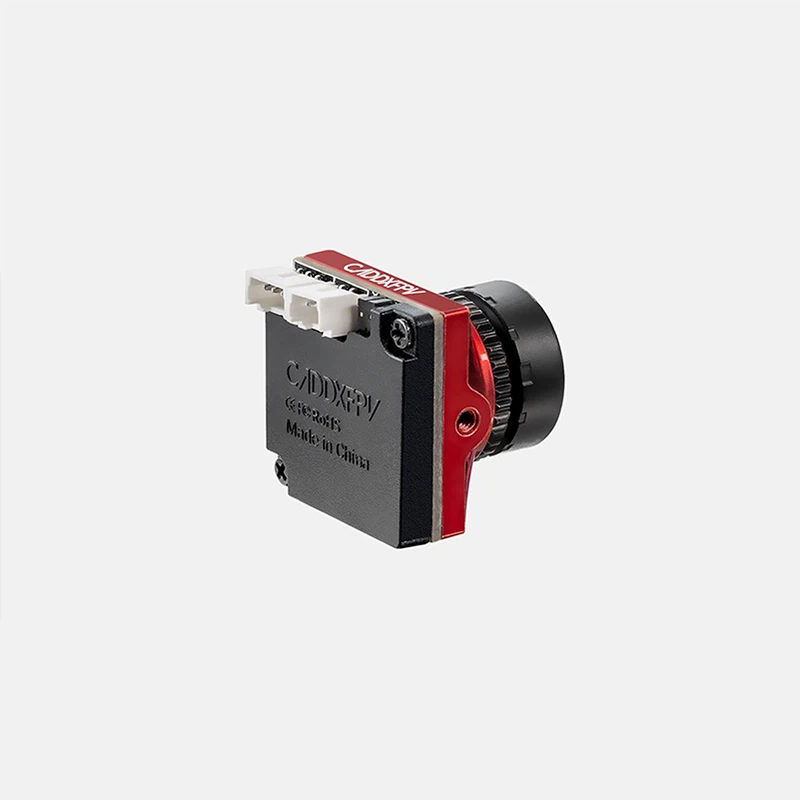
Digital systems, on the other hand, offer better image quality, longer range, and more features such as multiple channels and encryption. However, they generally have a higher latency compared to analog systems due to the encoding and decoding processes involved.
Goggles and Receiver
The pilot's goggles and receiver also contribute to the overall latency. Goggles with faster processors and better decoding capabilities can reduce the time it takes to display the video image. Additionally, a high-quality receiver can ensure a stable and fast signal reception, minimizing any delays caused by signal loss or interference.
Choosing an FPV Racing Drone Camera with Low Latency
When selecting an FPV racing drone camera, there are several things to consider to ensure low latency.
Firstly, look for a camera with a fast sensor. Cameras with high-speed CMOS sensors can provide lower latency compared to slower sensors. Check the camera's specifications for information on the sensor type and readout speed.
Secondly, consider the video resolution and frame rate. While higher resolutions and frame rates can provide a better viewing experience, they may also increase latency. For racing, a balance between resolution, frame rate, and latency is important. A camera that records in 720p or 1080p at a high frame rate (e.g., 60 or 120 frames per second) can provide a good combination of image quality and low latency.
Thirdly, pay attention to the transmission system. If low latency is your top priority, an analog transmission system may be a better choice. However, if you need a longer range and better image quality, a digital system with low latency features may be more suitable.
Finally, make sure your goggles and receiver are compatible with the camera and can handle the video signal without introducing additional latency.
At our company, we offer a range of FPV racing drone cameras designed to minimize latency and provide the best racing experience. Our Racing Drone with 4k Camera combines high-resolution video with low latency, allowing pilots to see every detail of the racecourse in real-time. Our FPV Camera Drone Kit includes everything you need to get started with FPV racing, including a low-latency camera and a high-quality transmission system. And for those looking for a more compact option, our Mini Racing Drone with Camera offers excellent performance in a small package.
Contact Us for Purchasing and Consultation
If you're interested in purchasing an FPV racing drone camera or have any questions about latency or our products, we'd love to hear from you. Our team of experts is available to provide you with detailed information and help you choose the right camera for your needs. Whether you're a professional racer or just starting out in the world of FPV racing, we can offer the support and products you need to succeed.
References
- "FPV Drone Racing: A Comprehensive Guide" by John Doe
- "Understanding Video Latency in FPV Systems" by Jane Smith
- Technical specifications of various FPV racing drone cameras and transmission systems.